Your Stained glass in gothic architecture images are available in this site. Stained glass in gothic architecture are a topic that is being searched for and liked by netizens today. You can Download the Stained glass in gothic architecture files here. Get all royalty-free vectors.
If you’re searching for stained glass in gothic architecture pictures information linked to the stained glass in gothic architecture topic, you have come to the ideal blog. Our site frequently provides you with hints for downloading the highest quality video and image content, please kindly search and find more informative video content and images that match your interests.
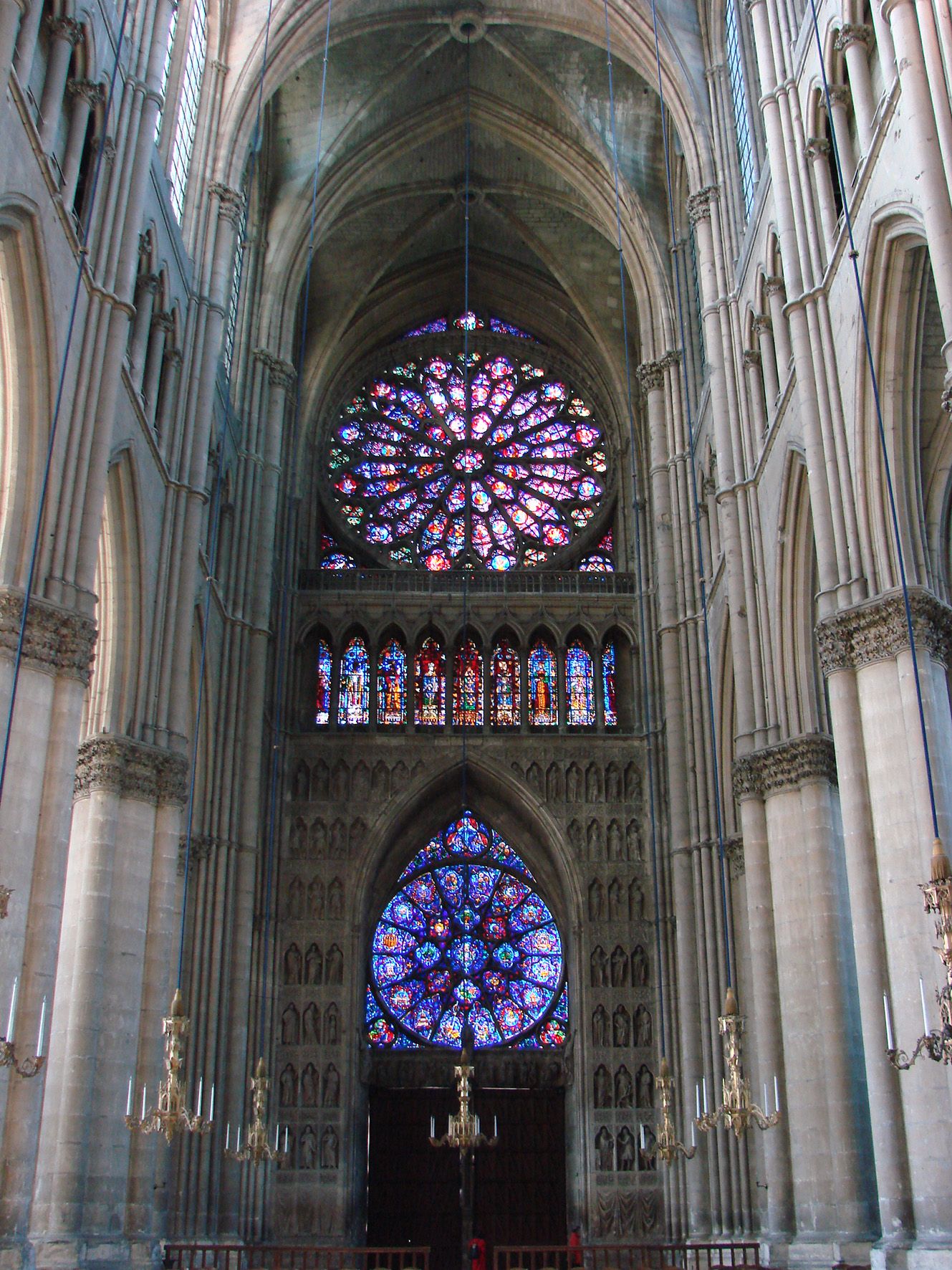
Stained Glass In Gothic Architecture. Stained glass is arguably one of the most important aspects of Gothic cathedrals. Larger than those found in other types of churches these windows allowed the architects to let in more dazzling light. The Gothic style introduced fantastic examples of vaulting and ornamentation. In later Gothic architecture churches nearly every corner of the church is decorated or carved out to create a seamless flow.
 Rose Window At The National Cathedral Stainedglasscathedral Stained Glass Rose Stained Glass Church Mosaic Glass From pinterest.com
The Function of Stained Glass in Gothic Architecture October 9 2019 Gothic Architecture Leave a comment 41 Views. The Gothic style introduced fantastic examples of vaulting and ornamentation. Larger than those found in other types of churches these windows allowed the architects to let in more dazzling light. The Late era of Gothic architecture is known as Flamboyant Gothic architecture getting its name from the widespread use of a flamelike s-shaped curve within the stone window tracery. Stained glass windows are closely tied to the architectural developments of. As its popularity rose mainly during the mid-12th century the increased presence of.
This remains one of the few cathedral interiors that retains the original stained glass.
The Late era of Gothic architecture is known as Flamboyant Gothic architecture getting its name from the widespread use of a flamelike s-shaped curve within the stone window tracery. Larger than those found in other types of churches these windows allowed the architects to let in more dazzling light. Stained glass windows are a very interesting and fascinating type of art in Gothic architecture. Glass craftsmen took spiritual and religious ideology and utilized windows to tell stories to the people who would see them. Stained glass windows played various roles in Gothic architecture. As its popularity rose mainly during the mid-12th century the increased presence of.
 Source: pinterest.com
Stained glass is an integral part of nearly all Gothic Architecture particularly in religious buildings. Well-known for its pointed arches flying buttresses and large stained glass windows Gothic architecture is a European architectural type that originated in the mid-12th century and remained popular until the 16th century. They were made out of melted sand and wood ash and were colored using powdered metals. At the beginning of the 13th century. Glass craftsmen took spiritual and religious ideology and utilized windows to tell stories to the people who would see them.
 Source: br.pinterest.com
They then put the pieces on a design. The Function of Stained Glass in Gothic Architecture October 9 2019 Gothic Architecture Leave a comment 41 Views. Another main feature of the style were kaleidoscopic stained glass windows made of meticulously cut colored glass. Stained glass windows are a very interesting and fascinating type of art in Gothic architecture. The Gothic style introduced fantastic examples of vaulting and ornamentation.
 Source: pinterest.com
Probably the most important form of Gothic architectural art was the stained glass window. At the beginning of the 13th century. Western master masons came together from far and wide to work on the construction site of Chartres Cathedral. The Gothic style introduced fantastic examples of vaulting and ornamentation. Larger than those found in other types of churches these windows allowed the architects to let in more dazzling light.
 Source: pinterest.com
During the Gothic period and the Renaissance 1100s1500s stained glass was one of the foremost techniques of painting practiced in Europe. At the beginning of the 13th century. Stained glass windows played various roles in Gothic architecture. The Function of Stained Glass in Gothic Architecture October 9 2019 Gothic Architecture Leave a comment 41 Views. Stained glass was an essential part of the catholic churchs plan to teach the stories of the bible to a largely illiterate European population.
 Source: pinterest.com
As its popularity rose mainly during the mid-12th century the increased presence of. Stained glass was an essential part of the catholic churchs plan to teach the stories of the bible to a largely illiterate European population. The Function of Stained Glass in Gothic Architecture October 9 2019 Gothic Architecture Leave a comment 41 Views. As its popularity rose mainly during the mid-12th century the increased presence of. In addition to artistic practicality glass craftsmen found the mysterious qualities of glass exemplary to represent the religious and spiritual ideologies of the period which they steadily honed to a fine art.
 Source: br.pinterest.com
At the beginning of the 13th century. What enabled the craftsmen to contrive the large stained glass windows of the later Middle Ages pointed out Hamlin was the fact that iron frameworks called armatures could be built into the stone and the stained glass fastened to. In addition to artistic practicality glass craftsmen found the mysterious qualities of glass exemplary to represent the religious and spiritual ideologies of the period which they steadily honed to a fine art. Larger than those found in other types of churches these windows allowed the architects to let in more dazzling light. And mosaics are the hallmark of Byzantine art stained glass windows in splendid hues exemplify the art of the Gothic Age.
 Source: pinterest.com
It may seem surprising to call stained glass a form of painting but in fact it is. The art of stained glass was an integral part of Gothic culture. At the beginning of the 13th century. It may seem surprising to call stained glass a form of painting but in fact it is. Glass craftsmen took spiritual and religious ideology and utilized windows to tell stories to the people who would see them.
Source: pinterest.com
Well-known for its pointed arches flying buttresses and large stained glass windows Gothic architecture is a European architectural type that originated in the mid-12th century and remained popular until the 16th century. What enabled the craftsmen to contrive the large stained glass windows of the later Middle Ages pointed out Hamlin was the fact that iron frameworks called armatures could be built into the stone and the stained glass fastened to. Larger than those found in other types of churches these windows allowed the architects to let in more dazzling light. It may seem surprising to call stained glass a form of painting but in fact it is. During the Gothic period and the Renaissance 1100s1500s stained glass was one of the foremost techniques of painting practiced in Europe.
 Source: pinterest.com
Stained glass windows played various roles in Gothic architecture. They then put the pieces on a design. Stained glass windows are a very interesting and fascinating type of art in Gothic architecture. We have seen that in its essence Gothic architecture is geometry executed in stone. The Late era of Gothic architecture is known as Flamboyant Gothic architecture getting its name from the widespread use of a flamelike s-shaped curve within the stone window tracery.
 Source: pinterest.com
In later Gothic architecture churches nearly every corner of the church is decorated or carved out to create a seamless flow. Flamboyant Gothic Architecture was even more decorative than that of Royannant. Gothic Era Stained Glass Art and Craft. Stained glass windows are a very interesting and fascinating type of art in Gothic architecture. The Function of Stained Glass in Gothic Architecture October 9 2019 Gothic Architecture Leave a comment 41 Views.
 Source: pinterest.com
During the Gothic period and the Renaissance 1100s1500s stained glass was one of the foremost techniques of painting practiced in Europe. They then put the pieces on a design. As its popularity rose mainly during the mid-12th century the increased presence of. This remains one of the few cathedral interiors that retains the original stained glass. The Late era of Gothic architecture is known as Flamboyant Gothic architecture getting its name from the widespread use of a flamelike s-shaped curve within the stone window tracery.
 Source: in.pinterest.com
Stained Glass Windows and Gothic Architecture At the heart of Gothic architecture are giant and elaborate stained glass windows colorfully and artfully depicting Biblical scenes for all to see. Stained glass windows are closely tied to the architectural developments of. And mosaics are the hallmark of Byzantine art stained glass windows in splendid hues exemplify the art of the Gothic Age. Stained Glass Windows and Gothic Architecture At the heart of Gothic architecture are giant and elaborate stained glass windows colorfully and artfully depicting Biblical scenes for all to see. The Late era of Gothic architecture is known as Flamboyant Gothic architecture getting its name from the widespread use of a flamelike s-shaped curve within the stone window tracery.
 Source: pinterest.com
In addition to artistic practicality glass craftsmen found the mysterious qualities of glass exemplary to represent the religious and spiritual ideologies of the period which they steadily honed to a fine art. Stained glass was an essential part of the catholic churchs plan to teach the stories of the bible to a largely illiterate European population. Stained glass is an integral part of nearly all Gothic Architecture particularly in religious buildings. Stained glass within these churches was often much larger than the average that was seen previously. Probably the most important form of Gothic architectural art was the stained glass window.
 Source: pinterest.com
The Late era of Gothic architecture is known as Flamboyant Gothic architecture getting its name from the widespread use of a flamelike s-shaped curve within the stone window tracery. In later Gothic architecture churches nearly every corner of the church is decorated or carved out to create a seamless flow. Probably the most important form of Gothic architectural art was the stained glass window. What enabled the craftsmen to contrive the large stained glass windows of the later Middle Ages pointed out Hamlin was the fact that iron frameworks called armatures could be built into the stone and the stained glass fastened to. Stained glass windows are a very interesting and fascinating type of art in Gothic architecture.
 Source: pinterest.com
It may seem surprising to call stained glass a form of painting but in fact it is. We have seen that in its essence Gothic architecture is geometry executed in stone. Stained Glass Windows and Gothic Architecture At the heart of Gothic architecture are giant and elaborate stained glass windows colorfully and artfully depicting Biblical scenes for all to see. They were made out of melted sand and wood ash and were colored using powdered metals. Another main feature of the style were kaleidoscopic stained glass windows made of meticulously cut colored glass.
 Source: pinterest.com
Larger than those found in other types of churches these windows allowed the architects to let in more dazzling light. Another main feature of the style were kaleidoscopic stained glass windows made of meticulously cut colored glass. What enabled the craftsmen to contrive the large stained glass windows of the later Middle Ages pointed out Hamlin was the fact that iron frameworks called armatures could be built into the stone and the stained glass fastened to. It may seem surprising to call stained glass a form of painting but in fact it is. Stained glass windows are a very interesting and fascinating type of art in Gothic architecture.
 Source: pinterest.com
Stained glass was an essential part of the catholic churchs plan to teach the stories of the bible to a largely illiterate European population. What enabled the craftsmen to contrive the large stained glass windows of the later Middle Ages pointed out Hamlin was the fact that iron frameworks called armatures could be built into the stone and the stained glass fastened to. They then put the pieces on a design. Probably the most important form of Gothic architectural art was the stained glass window. The Function of Stained Glass in Gothic Architecture October 9 2019 Gothic Architecture Leave a comment 41 Views.
 Source: pinterest.com
They were made out of melted sand and wood ash and were colored using powdered metals. This remains one of the few cathedral interiors that retains the original stained glass. At the beginning of the 13th century. As its popularity rose mainly during the mid-12th century the increased presence of. Stained glass windows are a very interesting and fascinating type of art in Gothic architecture.
This site is an open community for users to do submittion their favorite wallpapers on the internet, all images or pictures in this website are for personal wallpaper use only, it is stricly prohibited to use this wallpaper for commercial purposes, if you are the author and find this image is shared without your permission, please kindly raise a DMCA report to Us.
If you find this site adventageous, please support us by sharing this posts to your preference social media accounts like Facebook, Instagram and so on or you can also bookmark this blog page with the title stained glass in gothic architecture by using Ctrl + D for devices a laptop with a Windows operating system or Command + D for laptops with an Apple operating system. If you use a smartphone, you can also use the drawer menu of the browser you are using. Whether it’s a Windows, Mac, iOS or Android operating system, you will still be able to bookmark this website.


