Your The savageness of gothic architecture summary images are ready. The savageness of gothic architecture summary are a topic that is being searched for and liked by netizens today. You can Download the The savageness of gothic architecture summary files here. Get all free photos and vectors.
If you’re searching for the savageness of gothic architecture summary images information related to the the savageness of gothic architecture summary keyword, you have pay a visit to the right site. Our site frequently provides you with hints for seeing the highest quality video and image content, please kindly surf and locate more enlightening video articles and graphics that match your interests.
The Savageness Of Gothic Architecture Summary. The ideal society for Ruskin was one in which workers would express themselves and individuals and actually enjoy their labor. Ruskins historically inaccurate view of the Gothic sculptor may well increase rather than diminish the emotional infectiousness of his writing. Such Ruskinian rudeness is of the same nature that David Turnbulls discusses in his. According to Ruskin this signifies that the emergence of the Gothic in Venice was not a matter of architectural innovation but rather a struggle between earlier conventions and a more contemporary style equating early Gothic structures in the city to a prisoner entangled among the enemys forces and maintaining their ground till their friends came up to sustain them.
 Ribbed Vault St Ann S Ribbed Vault Vaulting Arch From fi.pinterest.com
The story was later reprinted in Jacksons posthumous collection Come Along With Me in 1968 published by Viking Press and reprinted by. The story features several overtly gothic elements including a possibly haunted house doubling and the blurring of real and imaginary. In Volume III The Fall Ruskin puts forth his thesis that the onset of the Renaissance caused the citys architectural decline. Ruskin was enamored with Gothic architecture. According to Ruskin this signifies that the emergence of the Gothic in Venice was not a matter of architectural innovation but rather a struggle between earlier conventions and a more contemporary style equating early Gothic structures in the city to a prisoner entangled among the enemys forces and maintaining their ground till their friends came up to sustain them. The Stones of Venice examines Venetian architecture in detail describing for example over eighty churches.
The course will begin with a study of the medieval treatise of Abbot Suger notebook of Villard de Honnecourt and encomium of Jean de Jandun to examine the rhetoric employed to comprehend the new aesthetic experience of sacred space.
The ideal society for Ruskin was one in which workers would express themselves and individuals and actually enjoy their labor. Ruskin praise of the wildness of thought and roughness of work of northern architecture in The Nature of Gothic is clearly at variance with a good deal of his actual response to savageness. Ruskin relates their growth and deterioration to the rise and fall of the Venetian state. William Morris was clearly a. A great example of Gothic architecture is the Notre-Dame Cathedral. These elements are savageness or rudeness love of nature love of change disturbed imagination obstinacy and generosity.
 Source: pinterest.com
I believe then that the characteristic or of Gothic are the following placed in the order of their importance. Ruskin makes the point that even though an expression originated in northern nations the savageness of gothic architecture has a noble character because it is based in a religious principle and this savageness of gothic architecture relates to the actual building and designing of the cathedrals and vice versa. The story was later reprinted in Jacksons posthumous collection Come Along With Me in 1968 published by Viking Press and reprinted by. Ruskin was enamored with Gothic architecture. Lighting also played a significant role in the design of the church or the cathedral.
 Source: pinterest.com
Having thus defined the inner spirit of Gothic Ruskin went on to define its outward. Such Ruskinian rudeness is of the same nature that David Turnbulls discusses in his. Ruskin praise of the wildness of thought and roughness of work of northern architecture in The Nature of Gothic is clearly at variance with a good deal of his actual response to savageness. I believe then that the characteristic or of Gothic are the following placed in the order of their importance. Having thus defined the inner spirit of Gothic Ruskin went on to define its outward.
 Source: pinterest.com
Ruskin claims that Gothic buildings look that way because in their construction workers and architects were granted a larger freedom from past models and struggled to make them unique and. The Stones of Venice is a three-volume treatise on Venetian art and architecture by English art historian John Ruskin first published from 1851 to 1853. The Stones of Venice examines Venetian architecture in detail describing for example over eighty churches. Ruskin praise of the wildness of thought and roughness of work of northern architecture in The Nature of Gothic is clearly at variance with a good deal of his actual response to savageness. Savageness or Rudeness Love of Change Love of Nature Disturbed Imagination Obstinacy and Generosity 1412 For Ruskin the Gothic is.
 Source: pinterest.com
Ruskin praise of the wildness of thought and roughness of work of northern architecture in The Nature of Gothic is clearly at variance with a good deal of his actual response to savageness. He discusses architecture of Venices Byzantine Gothic and Renaissance periods and provides a general history of the city. We will also reconsider the post-medieval definition and appraisal of Gothic. This module will investigate approaches to Gothic architecture and its terrible wonder both in the medieval period and since. Fortunately for the reader as well as future architects and admirers of the solid art of construction Ruskin takes the time to create a list of the six elements of moral temperament which characterizes the Gothic aesthetic.
 Source: quora.com
If however the savageness of Gothic architecture merely as an expression of its origin among Northern nations may be considered in some sort a noble character it possesses a higher nobility still when considered as an index not of climate but of religious principle. Having thus defined the inner spirit of Gothic Ruskin went on to define its outward. Fortunately for the reader as well as future architects and admirers of the solid art of construction Ruskin takes the time to create a list of the six elements of moral temperament which characterizes the Gothic aesthetic. I believe then that the characteristic or of Gothic are the following placed in the order of their importance. The Lovely House is a gothic short story and weird tale by American writer Shirley Jackson first published in 1950.
 Source: pinterest.com
Ruskin praise of the wildness of thought and roughness of work of northern architecture in The Nature of Gothic is clearly at variance with a good deal of his actual response to savageness. He shows that the virtue and piety that marked Venice at its flourishing found expression in Gothic. Argument for the Gothic Style Ruskins argument in The Stones of Venice was an important part of the Gothic Revival that was underway across Europe during the mid-19th century. In Volume III The Fall Ruskin puts forth his thesis that the onset of the Renaissance caused the citys architectural decline. Ruskin was enamored with Gothic architecture.
 Source: de.pinterest.com
Ruskins conception of the artistic liberty of the labourer in Gothic times is pure fantasy. The Nature of Gothic was a chapter within the Stones which outlined the six key characteristics of the Gothic style. In the section from The Stones of Venice that Ive decided to focus on The Nature of the Gothic he argues for a change in society that would cause the production of gothic architecture. Ruskins historically inaccurate view of the Gothic sculptor may well increase rather than diminish the emotional infectiousness of his writing. Argument for the Gothic Style Ruskins argument in The Stones of Venice was an important part of the Gothic Revival that was underway across Europe during the mid-19th century.
 Source: quora.com
Savageness changefulness naturalism grotesqueness rigidity and redundance. William Morris was clearly a. Love of Nature 4. The story features several overtly gothic elements including a possibly haunted house doubling and the blurring of real and imaginary. The Stones of Venice examines Venetian architecture in detail describing for example over eighty churches.
Source: fi.pinterest.com
Gothic Architecture is wonderful on its own how detailed and ornate a concrete building can be finished with colorful stained-glass windows. The course will begin with a study of the medieval treatise of Abbot Suger notebook of Villard de Honnecourt and encomium of Jean de Jandun to examine the rhetoric employed to comprehend the new aesthetic experience of sacred space. Gothic Architecture is wonderful on its own how detailed and ornate a concrete building can be finished with colorful stained-glass windows. Gothic architecture was called Opus Francigenum French work during the time. Ruskin makes the point that even though an expression originated in northern nations the savageness of gothic architecture has a noble character because it is based in a religious principle and this savageness of gothic architecture relates to the actual building and designing of the cathedrals and vice versa.
 Source: grin.com
These characters are here expressed as belonging to the building. Ruskin was enamored with Gothic architecture. The course will begin with a study of the medieval treatise of Abbot Suger notebook of Villard de Honnecourt and encomium of Jean de Jandun to examine the rhetoric employed to comprehend the new aesthetic experience of sacred space. Such Ruskinian rudeness is of the same nature that David Turnbulls discusses in his. Key Facts Summary.
 Source: quora.com
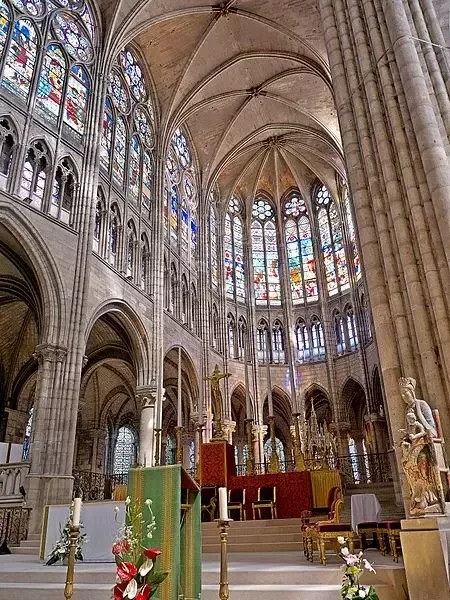
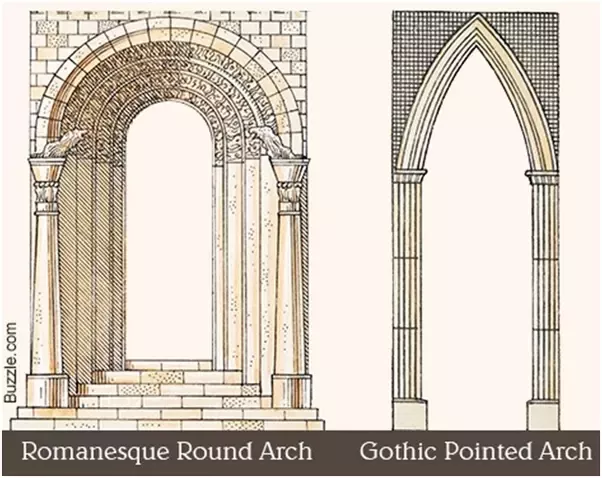
It is mostly characterised by its rib vaults and flying buttresses. Gothic architecture flourished and became popular in Europe during the Late Middle Ages. Savageness changefulness naturalism grotesqueness rigidity and redundance. The story was later reprinted in Jacksons posthumous collection Come Along With Me in 1968 published by Viking Press and reprinted by. These characters are here expressed as belonging to the building.
 Source:
Ruskin claims that Gothic buildings look that way because in their construction workers and architects were granted a larger freedom from past models and struggled to make them unique and. Gothic architecture flourished and became popular in Europe during the Late Middle Ages. Ruskin makes the point that even though an expression originated in northern nations the savageness of gothic architecture has a noble character because it is based in a religious principle and this savageness of gothic architecture relates to the actual building and designing of the cathedrals and vice versa. Ruskin claims that Gothic buildings look that way because in their construction workers and architects were granted a larger freedom from past models and struggled to make them unique and. Gothic Architecture is wonderful on its own how detailed and ornate a concrete building can be finished with colorful stained-glass windows.
Source: quora.com
Fortunately for the reader as well as future architects and admirers of the solid art of construction Ruskin takes the time to create a list of the six elements of moral temperament which characterizes the Gothic aesthetic. Ruskin relates their growth and deterioration to the rise and fall of the Venetian state. Ruskin contended that Gothic architecture expressed a state of pure national faith anddomestic virtue while Renaissance architecture expressed concealed national infidelity anddomestic corruption. Gothic architecture flourished and became popular in Europe during the Late Middle Ages. William Morris was clearly a.
 Source: en.wikipedia.org
William Morris was clearly a. He discusses architecture of Venices Byzantine Gothic and Renaissance periods and provides a general history of the city. Gothic Architecture is wonderful on its own how detailed and ornate a concrete building can be finished with colorful stained-glass windows. According to Ruskin this signifies that the emergence of the Gothic in Venice was not a matter of architectural innovation but rather a struggle between earlier conventions and a more contemporary style equating early Gothic structures in the city to a prisoner entangled among the enemys forces and maintaining their ground till their friends came up to sustain them. Ruskin claims that Gothic buildings look that way because in their construction workers and architects were granted a larger freedom from past models and struggled to make them unique and.
 Source: pinterest.com
Lighting also played a significant role in the design of the church or the cathedral. The Stones of Venice is a three-volume treatise on Venetian art and architecture by English art historian John Ruskin first published from 1851 to 1853. These elements are savageness or rudeness love of nature love of change disturbed imagination obstinacy and generosity. Savageness or Rudeness Love of Change Love of Nature Disturbed Imagination Obstinacy and Generosity 1412 For Ruskin the Gothic is. If however the savageness of Gothic architecture merely as an expression of its origin among Northern nations may be considered in some sort a noble character it possesses a higher nobility still when considered as an index not of climate but of religious principle.
 Source: quora.com
Gothic architecture was called Opus Francigenum French work during the time. As belonging to the builder they would be expressed thus 1. The story was later reprinted in Jacksons posthumous collection Come Along With Me in 1968 published by Viking Press and reprinted by. Key Facts Summary. The work praised the Gothic and Byzantine forms influencing Victorian architects who began to introduce these elements into their work.
Source: quora.com
The Lovely House is a gothic short story and weird tale by American writer Shirley Jackson first published in 1950. According to Ruskin this signifies that the emergence of the Gothic in Venice was not a matter of architectural innovation but rather a struggle between earlier conventions and a more contemporary style equating early Gothic structures in the city to a prisoner entangled among the enemys forces and maintaining their ground till their friends came up to sustain them. Fortunately for the reader as well as future architects and admirers of the solid art of construction Ruskin takes the time to create a list of the six elements of moral temperament which characterizes the Gothic aesthetic. Ruskin praise of the wildness of thought and roughness of work of northern architecture in The Nature of Gothic is clearly at variance with a good deal of his actual response to savageness. Gothic architecture was called Opus Francigenum French work during the time.
 Source: study.com
A great example of Gothic architecture is the Notre-Dame Cathedral. He identifies six characteristic or moral elements in Gothic architecture in order of importance. I believe then that the characteristic or of Gothic are the following placed in the order of their importance. Ruskin claims that Gothic buildings look that way because in their construction workers and architects were granted a larger freedom from past models and struggled to make them unique and. Ruskin praise of the wildness of thought and roughness of work of northern architecture in The Nature of Gothic is clearly at variance with a good deal of his actual response to savageness.
This site is an open community for users to do submittion their favorite wallpapers on the internet, all images or pictures in this website are for personal wallpaper use only, it is stricly prohibited to use this wallpaper for commercial purposes, if you are the author and find this image is shared without your permission, please kindly raise a DMCA report to Us.
If you find this site beneficial, please support us by sharing this posts to your favorite social media accounts like Facebook, Instagram and so on or you can also save this blog page with the title the savageness of gothic architecture summary by using Ctrl + D for devices a laptop with a Windows operating system or Command + D for laptops with an Apple operating system. If you use a smartphone, you can also use the drawer menu of the browser you are using. Whether it’s a Windows, Mac, iOS or Android operating system, you will still be able to bookmark this website.


