Your What is the distinctive characteristics of gothic architecture images are available in this site. What is the distinctive characteristics of gothic architecture are a topic that is being searched for and liked by netizens today. You can Download the What is the distinctive characteristics of gothic architecture files here. Get all royalty-free photos.
If you’re looking for what is the distinctive characteristics of gothic architecture images information linked to the what is the distinctive characteristics of gothic architecture interest, you have visit the right blog. Our website always provides you with hints for seeing the maximum quality video and image content, please kindly hunt and find more informative video content and graphics that fit your interests.
What Is The Distinctive Characteristics Of Gothic Architecture. Unlike Romanesque architecture with its stress on heavy masses and clearly delimited areas Gothic construction particularly in its later phase is characterized by lightness and soaring spaces. One of the fundamental characteristics of gothic architecture was its height. Gothic Architecture 12 15th century Gothic architecture began mainly in France where architectswere inspired by Romanesque architecture and the pointed arches ofSpanish Moorish architectureIts easy to recognise Gothic buildings because of theirarches ribbed vaulting flying buttresses elaborate sculptures likegargoyles and stained glass windows. Flying buttresses ensured the cathedrals integrity so that architects did not need to sacrifice the thin walls and large windows distinctive of the Gothic style.
 Gothic Architecture From enacademic.com
These are tapering architectural elements that often replaced the steeple to lend an impression of loftiness. In the 12th century advancements in engineering allowed for increasingly colossal buildings and the styles signature vaulting buttresses and pointed building tops paved way for taller structures that still retained natural light. Gothic Architecture 12 15th century Gothic architecture began mainly in France where architectswere inspired by Romanesque architecture and the pointed arches ofSpanish Moorish architectureIts easy to recognise Gothic buildings because of theirarches ribbed vaulting flying buttresses elaborate sculptures likegargoyles and stained glass windows. The overall effect of the Gothic cathedral combines this lightness with an innumerable subdivision and multiplicity of. Gothic architecture is a style of architecture which originated from and flourished in Europe from the mid-12th century to the 16th century. New building techniques such as the flying buttress detailed below enabled architects to spread the weight of taller walls and loftier towers.
New building techniques such as the flying buttress detailed below enabled architects to spread the weight of taller walls and loftier towers.
The other common features of this type of construction are the buttresses ribbed vaults and large windows. This type of design originated from France in Europe and was popularly used in the construction of large cathedrals and churches. Venice is full of buildings that are Gothic by definition but Byzantine in spirit. ARCHITECTURE GOTHIC ARCHITECTURALSTYLE IS CHARACTERIZED AND DRIVEN BY THREE MAIN FEATURES WHICH WERE BASICALLY STRUCTURAL IN NATURE. 10 Defining Characteristics of Gothic Architecture Spires. This was made possible by new building techniques such as flying buttresses.
 Source: pinterest.com
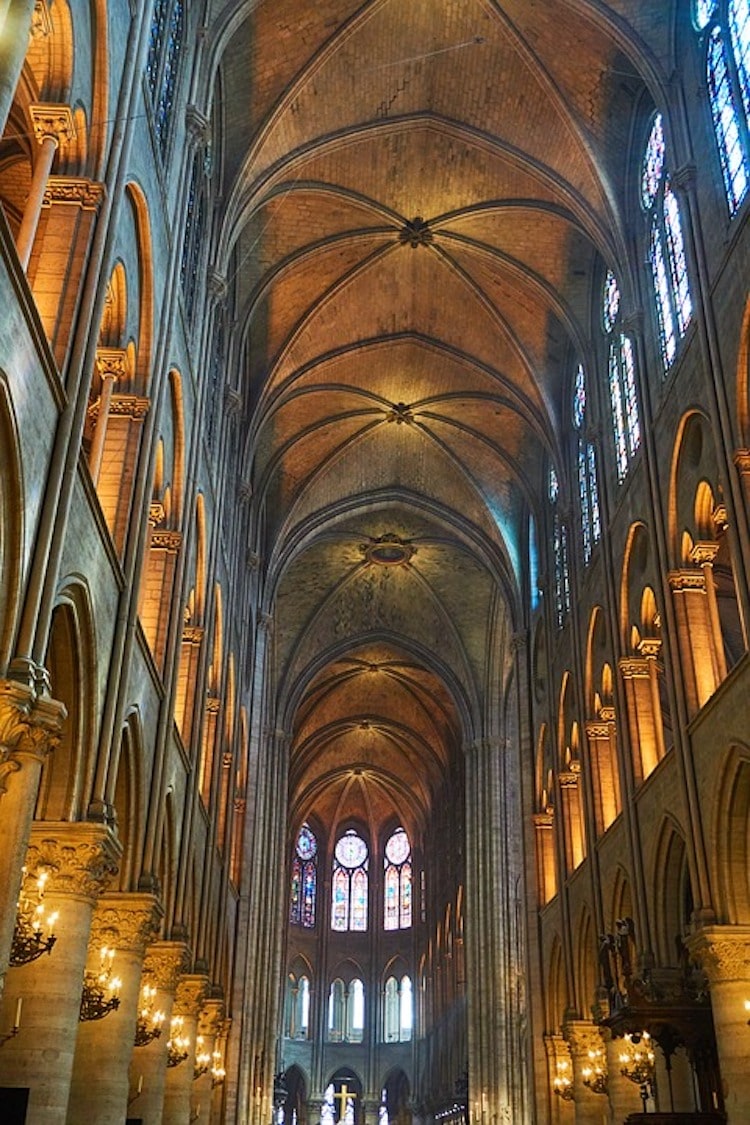
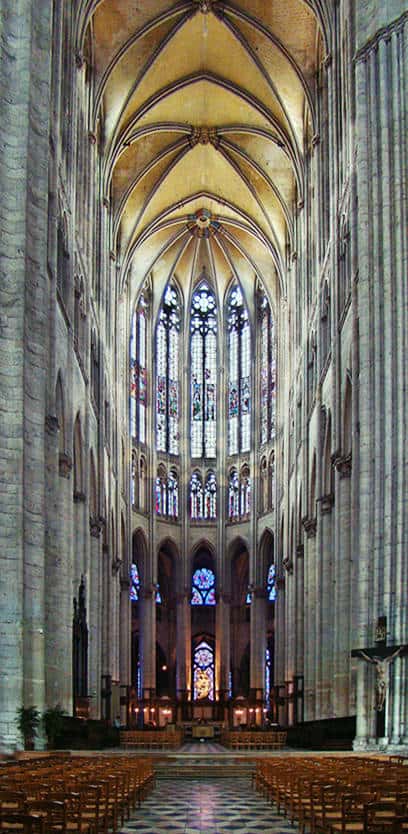
An important characteristic of Gothic church architecture is its height both absolute and in proportion to its width the verticality suggesting an aspiration to Heaven. This was made possible by new building techniques such as flying buttresses. THE POINTED ARCH THE RIBBED VAULT AND THE FLYING BUTTRESS. A final feature found in Gothic architecture is the presence of ornate decorative elements. An important characteristic of Gothic church architecture is its height both absolute and in proportion to its width the verticality suggesting an aspiration to Heaven.
 Source: hisour.com
Gothic architecture is a European style of masonry that values height intricacy sizable windows and exaggerated arches. This was made possible by new building techniques such as flying buttresses. This type of architecture flourished in the Middle Ages between 5th and 15th century. Spider-leg like in appearance a flying buttress was originally instated as an aesthetic device. The other common features of this type of construction are the buttresses ribbed vaults and large windows.
 Source: pinterest.com
Unlike Romanesque architecture with its stress on heavy masses and clearly delimited areas Gothic construction particularly in its later phase is characterized by lightness and soaring spaces. This helped to spread the weight of taller walls and heavier towers. The overall effect of the Gothic cathedral combines this lightness with an innumerable subdivision and multiplicity of. Gothic architecture is a style of architecture which originated from and flourished in Europe from the mid-12th century to the 16th century. This all meant that gothic buildings could quite literally scale new heights.
 Source: pinterest.com
ARCHITECTURE GOTHIC ARCHITECTURALSTYLE IS CHARACTERIZED AND DRIVEN BY THREE MAIN FEATURES WHICH WERE BASICALLY STRUCTURAL IN NATURE. A final feature found in Gothic architecture is the presence of ornate decorative elements. Venice is full of buildings that are Gothic by definition but Byzantine in spirit. In the 12th century advancements in engineering allowed for increasingly colossal buildings and the styles signature vaulting buttresses and pointed building tops paved way for taller structures that still retained natural light. The overall effect of the Gothic cathedral combines this lightness with an innumerable subdivision and multiplicity of.
Source: enacademic.com
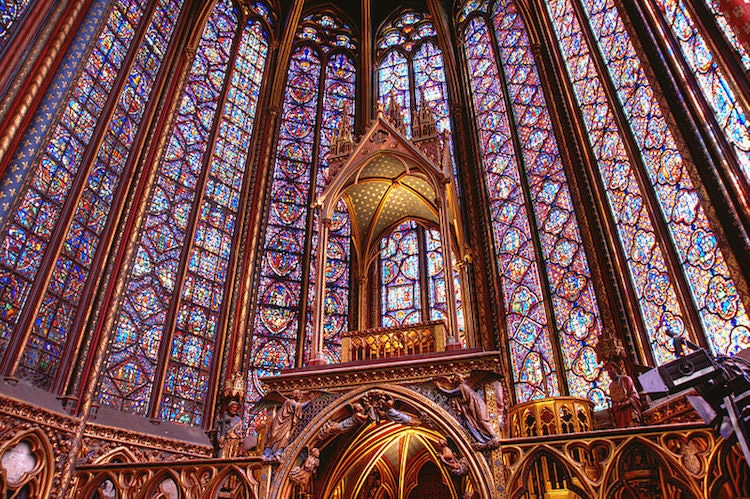
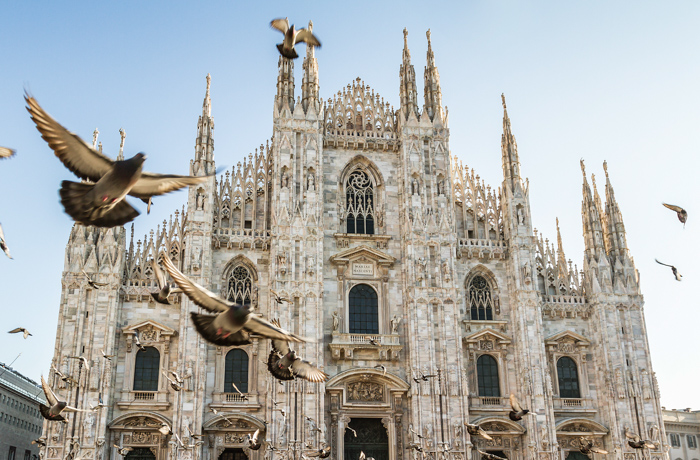
Gothic Architecture 12 15th century Gothic architecture began mainly in France where architectswere inspired by Romanesque architecture and the pointed arches ofSpanish Moorish architectureIts easy to recognise Gothic buildings because of theirarches ribbed vaulting flying buttresses elaborate sculptures likegargoyles and stained glass windows. POINTED ARCHES The pointed arch distributed the vaults weight in a more vertical direction rather than horizontal 29. One of the most distinctive characteristics of Gothic architecture is the expansive area of the windows as at Sainte Chapelle and the very large size of many individual windows as at York Minster Gloucester Cathedral and Milan Cathedral. ARCHITECTURE GOTHIC ARCHITECTURALSTYLE IS CHARACTERIZED AND DRIVEN BY THREE MAIN FEATURES WHICH WERE BASICALLY STRUCTURAL IN NATURE. This all meant that gothic buildings could quite literally scale new heights.
 Source: mymodernmet.com
These are tapering architectural elements that often replaced the steeple to lend an impression of loftiness. New building techniques such as the flying buttress detailed below enabled architects to spread the weight of taller walls and loftier towers. The overall effect of the Gothic cathedral combines this lightness with an innumerable subdivision and multiplicity of. 10 Defining Characteristics of Gothic Architecture Spires. One of the fundamental characteristics of gothic architecture was its height.
 Source: invaluable.com
These include embellished colonnades and colonettes sculptural moldings statues of saints and historical figures pinnacles and spires and. Architecture was the main art form of the Gothic and the main structural characteristics of Gothic architectural design stemmed from the efforts of medieval masons to solve the problems associated with supporting heavy masonry ceiling vaults arched roofs over wide spans. POINTED ARCHES The pointed arch distributed the vaults weight in a more vertical direction rather than horizontal 29. These are tapering architectural elements that often replaced the steeple to lend an impression of loftiness. Gothic architecture is generally characterized by the use of a pointed arch.
 Source: pinterest.com
10 Defining Characteristics of Gothic Architecture Spires. The other common features of this type of construction are the buttresses ribbed vaults and large windows. Flying buttresses ensured the cathedrals integrity so that architects did not need to sacrifice the thin walls and large windows distinctive of the Gothic style. This type of architecture flourished in the Middle Ages between 5th and 15th century. This was made possible by the development of.
 Source: hisour.com
The overall effect of the Gothic cathedral combines this lightness with an innumerable subdivision and multiplicity of. The problem arose because the stonework of the traditional arched roof exerted a tremendous downward and outward pressure. One of the most distinctive characteristics of Gothic architecture is the expansive area of the windows as at Sainte Chapelle and the very large size of many individual windows as at York Minster Gloucester Cathedral and Milan Cathedral. Spider-leg like in appearance a flying buttress was originally instated as an aesthetic device. The other common features of this type of construction are the buttresses ribbed vaults and large windows.
 Source: mymodernmet.com
This was made possible by new building techniques such as flying buttresses. This type of architecture flourished in the Middle Ages between 5th and 15th century. Architectureto Gothic and even from Byzantine artto Gothic are infinite. THE POINTED ARCH THE RIBBED VAULT AND THE FLYING BUTTRESS. The problem arose because the stonework of the traditional arched roof exerted a tremendous downward and outward pressure.
 Source: ar.pinterest.com
ARCHITECTURE GOTHIC ARCHITECTURALSTYLE IS CHARACTERIZED AND DRIVEN BY THREE MAIN FEATURES WHICH WERE BASICALLY STRUCTURAL IN NATURE. ARCHITECTURE GOTHIC ARCHITECTURALSTYLE IS CHARACTERIZED AND DRIVEN BY THREE MAIN FEATURES WHICH WERE BASICALLY STRUCTURAL IN NATURE. These are tapering architectural elements that often replaced the steeple to lend an impression of loftiness. Architectureto Gothic and even from Byzantine artto Gothic are infinite. Spider-leg like in appearance a flying buttress was originally instated as an aesthetic device.
 Source: pinterest.com
This helped to spread the weight of taller walls and heavier towers. Gothic architecture is a style of architecture which originated from and flourished in Europe from the mid-12th century to the 16th century. Gothic architecture is generally characterized by the use of a pointed arch. ARCHITECTURE GOTHIC ARCHITECTURALSTYLE IS CHARACTERIZED AND DRIVEN BY THREE MAIN FEATURES WHICH WERE BASICALLY STRUCTURAL IN NATURE. Gothic Architecture 12 15th century Gothic architecture began mainly in France where architectswere inspired by Romanesque architecture and the pointed arches ofSpanish Moorish architectureIts easy to recognise Gothic buildings because of theirarches ribbed vaulting flying buttresses elaborate sculptures likegargoyles and stained glass windows.
 Source: gentlemansgazette.com
This type of architecture flourished in the Middle Ages between 5th and 15th century. This type of design originated from France in Europe and was popularly used in the construction of large cathedrals and churches. POINTED ARCHES The pointed arch distributed the vaults weight in a more vertical direction rather than horizontal 29. The overall effect of the Gothic cathedral combines this lightness with an innumerable subdivision and multiplicity of. This helped to spread the weight of taller walls and heavier towers.
 Source: invaluable.com
A final feature found in Gothic architecture is the presence of ornate decorative elements. Gothic architecture is generally characterized by the use of a pointed arch. Gothic architecture is a European style of masonry that values height intricacy sizable windows and exaggerated arches. In the 12th century advancements in engineering allowed for increasingly colossal buildings and the styles signature vaulting buttresses and pointed building tops paved way for taller structures that still retained natural light. Flying buttresses ensured the cathedrals integrity so that architects did not need to sacrifice the thin walls and large windows distinctive of the Gothic style.
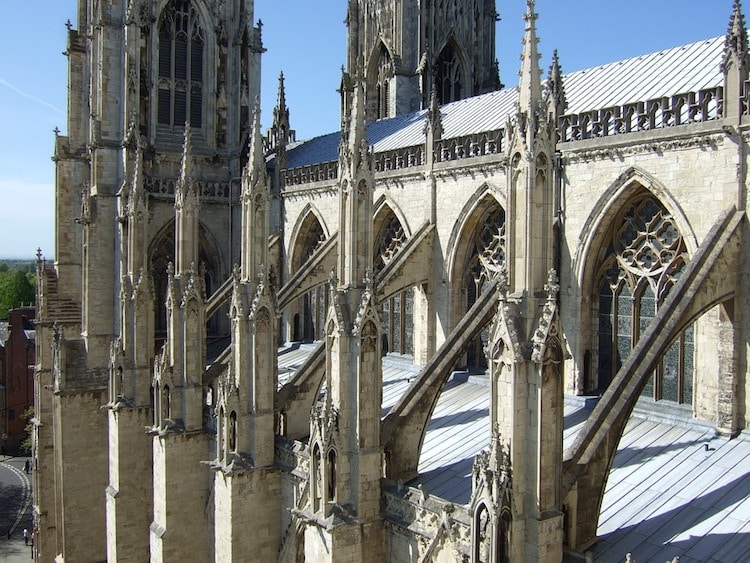 Source: mymodernmet.com
These include embellished colonnades and colonettes sculptural moldings statues of saints and historical figures pinnacles and spires and. Flying buttresses ensured the cathedrals integrity so that architects did not need to sacrifice the thin walls and large windows distinctive of the Gothic style. The overall effect of the Gothic cathedral combines this lightness with an innumerable subdivision and multiplicity of. The problem arose because the stonework of the traditional arched roof exerted a tremendous downward and outward pressure. An important characteristic of Gothic church architecture is its height both absolute and in proportion to its width the verticality suggesting an aspiration to Heaven.
 Source: pl.pinterest.com
Architecture was the main art form of the Gothic and the main structural characteristics of Gothic architectural design stemmed from the efforts of medieval masons to solve the problems associated with supporting heavy masonry ceiling vaults arched roofs over wide spans. Flying buttresses ensured the cathedrals integrity so that architects did not need to sacrifice the thin walls and large windows distinctive of the Gothic style. These are tapering architectural elements that often replaced the steeple to lend an impression of loftiness. Gothic architecture is a style of architecture which originated from and flourished in Europe from the mid-12th century to the 16th century. THE POINTED ARCH THE RIBBED VAULT AND THE FLYING BUTTRESS.
 Source: pinterest.com
The overall effect of the Gothic cathedral combines this lightness with an innumerable subdivision and multiplicity of. 10 Defining Characteristics of Gothic Architecture Spires. These include embellished colonnades and colonettes sculptural moldings statues of saints and historical figures pinnacles and spires and. POINTED ARCHES The pointed arch distributed the vaults weight in a more vertical direction rather than horizontal 29. This type of architecture flourished in the Middle Ages between 5th and 15th century.
 Source: odysseytraveller.com
The other common features of this type of construction are the buttresses ribbed vaults and large windows. Gothic Architecture 12 15th century Gothic architecture began mainly in France where architectswere inspired by Romanesque architecture and the pointed arches ofSpanish Moorish architectureIts easy to recognise Gothic buildings because of theirarches ribbed vaulting flying buttresses elaborate sculptures likegargoyles and stained glass windows. This all meant that gothic buildings could quite literally scale new heights. New building techniques such as the flying buttress detailed below enabled architects to spread the weight of taller walls and loftier towers. This helped to spread the weight of taller walls and heavier towers.
This site is an open community for users to do sharing their favorite wallpapers on the internet, all images or pictures in this website are for personal wallpaper use only, it is stricly prohibited to use this wallpaper for commercial purposes, if you are the author and find this image is shared without your permission, please kindly raise a DMCA report to Us.
If you find this site helpful, please support us by sharing this posts to your own social media accounts like Facebook, Instagram and so on or you can also bookmark this blog page with the title what is the distinctive characteristics of gothic architecture by using Ctrl + D for devices a laptop with a Windows operating system or Command + D for laptops with an Apple operating system. If you use a smartphone, you can also use the drawer menu of the browser you are using. Whether it’s a Windows, Mac, iOS or Android operating system, you will still be able to bookmark this website.